An AI voice agent is software that holds a real phone conversation. It listens, understands what the caller wants and answers in a natural voice. Then it acts: it books the appointment, takes the message or passes the call to the right person.
It is not the old phone menu. Callers don’t press keys or say set words. They speak normally, interrupt, change the subject or ask in their own words, and the agent keeps up.
This guide covers what a voice agent does, how it works, what makes one sound natural, where it fits, and how to start without turning your phones upside down.
What an AI voice agent does
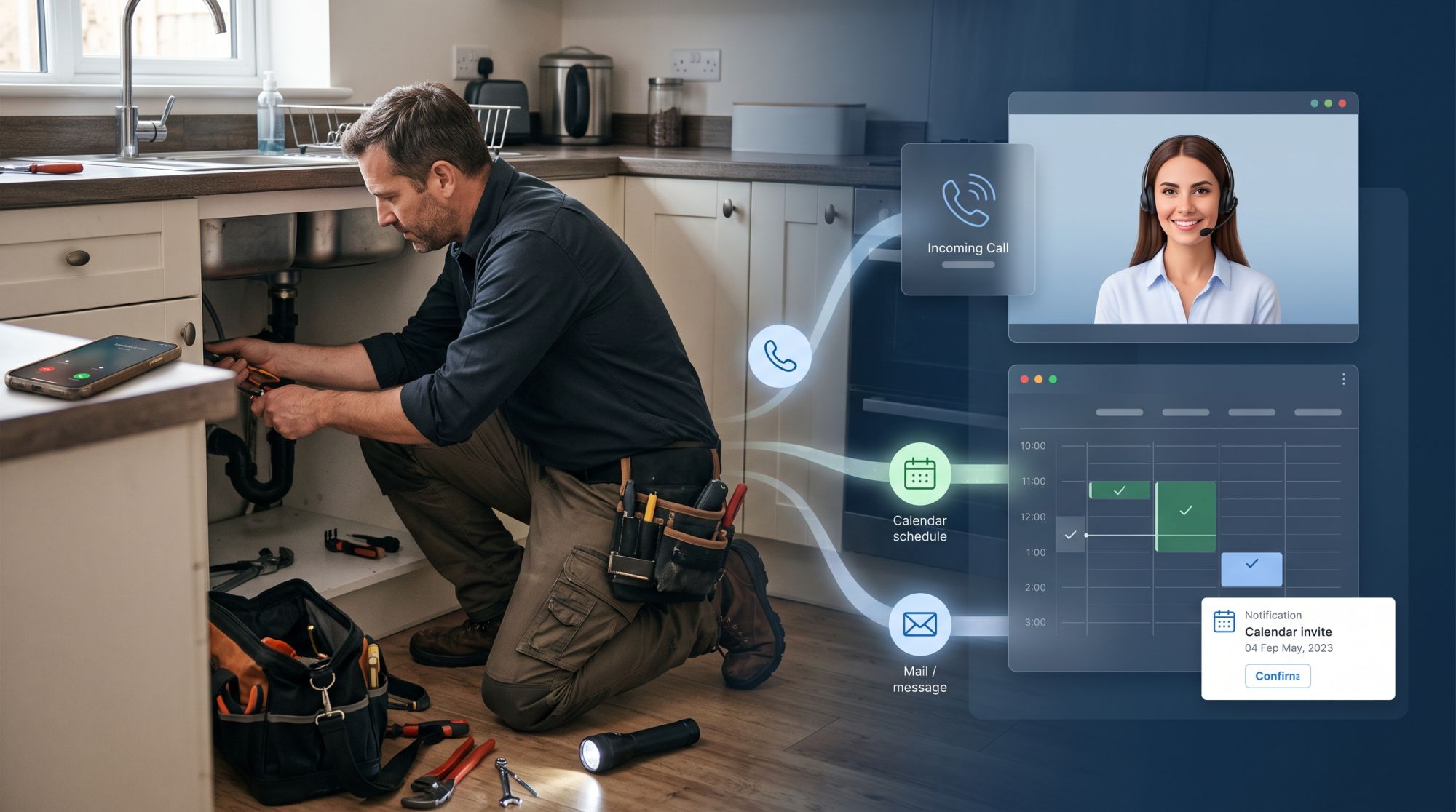
A voice agent takes the calls that follow a pattern, so your team has time for the ones that need a person.
On incoming calls, it typically:
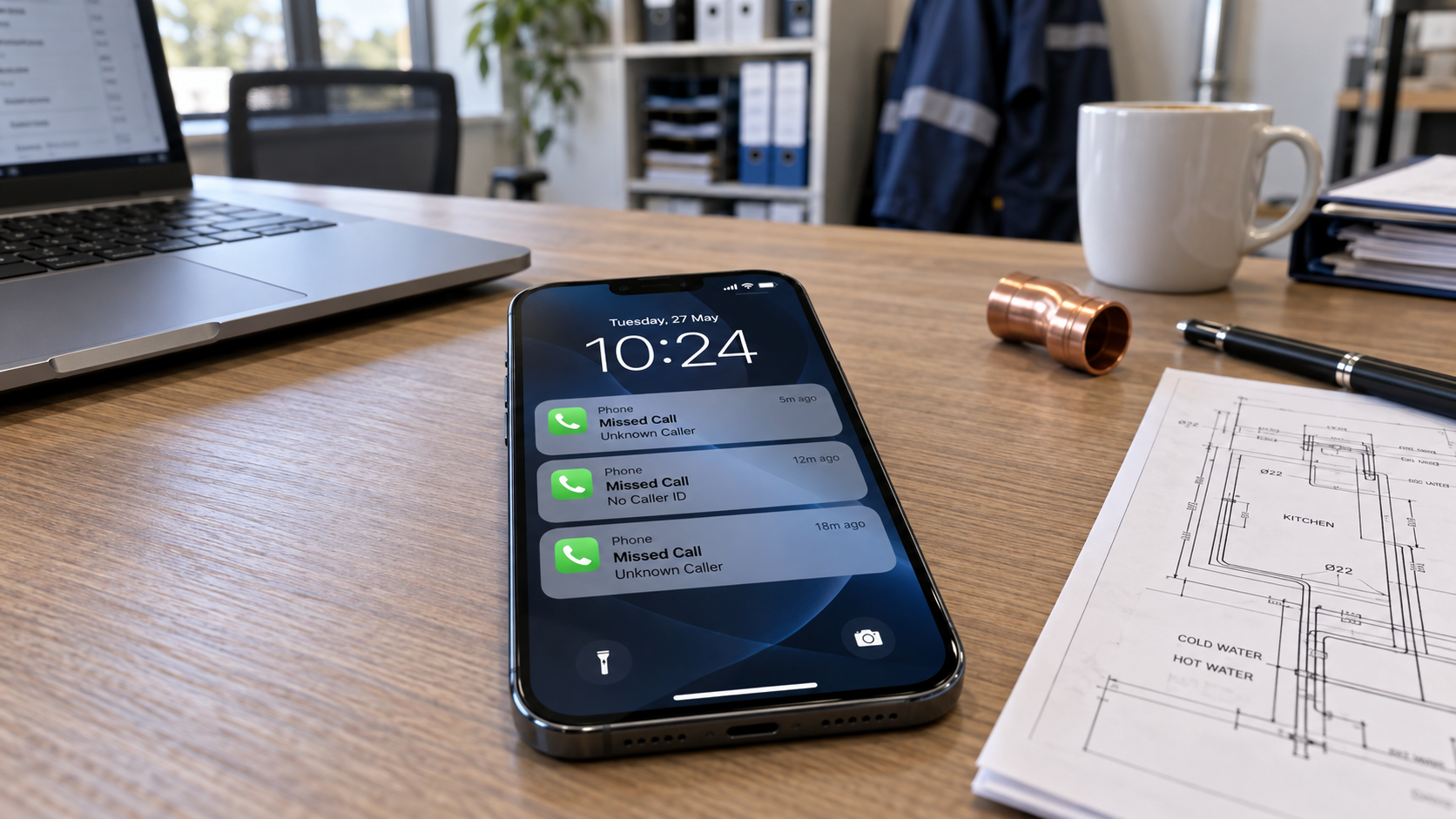
answers calls straight away, also outside opening hours and when your team is busy
answers questions about your services, prices, opening hours and policies
books appointments in your calendar
takes messages with the details your team needs
passes the call to a person, with a short summary, when a person should take over
It can also make calls, for example to:
call back people who asked to be contacted, while they are still interested
follow up on quotes and enquiries, when people agreed to be called
After every call it writes a summary and can update your CRM, so nothing lives only in someone’s head. Calling people who haven’t asked to hear from you is a different matter: in Europe, automated sales calls need consent in advance. AI cold calling in Europe explains the rules.
How an AI voice agent works
Three technologies work together in real time, plus the connections that let the agent act on what it hears.
Listening: speech recognition
Speech recognition turns the caller’s words into text as they speak. A good system copes with accents, background noise and the pauses of normal speech.
Understanding and deciding: a language model
A language model works out what the caller wants and what to say. It answers from what you have given it: your services, prices, hours, booking rules and tone of voice. When it doesn’t know something, it says so and takes a message instead of guessing.
Speaking: speech synthesis
Speech synthesis turns the answer into a natural voice, in the caller’s language, quickly enough to keep the conversation flowing.
Acting: connections to your systems
Connections to your calendar, CRM and phone system let the agent book, update records and transfer calls. They are what separates an agent that gets things done from a talking FAQ.
What makes one sound natural
A voice agent sounds natural when it answers quickly, lets people interrupt and gets the details right.
Speed. On the phone, a long pause sounds like a dropped line. A good agent replies without a noticeable delay.
Turn-taking. It knows when the caller has finished, and stops talking when they interrupt.
Details. It says names, addresses and numbers correctly, and repeats back what matters, like a date or a phone number.
Language. It speaks your customers’ language: Danish, German, French, Dutch or English.
Memory within the call. It doesn’t ask for the same thing twice.
Most of this comes from how the agent is built, tuned and tested, not only from the technology underneath. That is why it pays to test with real calls before customers hear it.
Where a voice agent fits, and where it doesn’t
A voice agent fits best where many calls follow the same few patterns. It fits worst where every call needs judgement or empathy.
Good fits:
many calls with the same recurring questions
calls outside opening hours, at lunch or at peak times
bookings that come in by phone
fast callbacks to new enquiries: the sooner you call back, the likelier you reach them
customers who call in more than one language
Keep a person on:
complaints and sensitive conversations
negotiations and complex sales
anything that needs professional judgement, such as medical, legal or financial advice
The best set-ups do both. The agent handles the routine calls and hands the rest to your team with a summary, so the customer never has to repeat themselves. AI receptionist: how it works, and when it makes sense goes deeper into incoming calls.
What to look for
Judge a voice agent on the calls it will actually take, not on a polished demo script.
Natural conversation. Call it yourself and try to trip it up.
Your knowledge. It should know your services, prices and policies, and what it must not say.
A clear handover. A person can take over at any point, with a summary of the call.
Connections. Your calendar, your CRM and your existing phone number. Calls can be forwarded to the agent all the time, or only when your team is busy or closed.
Your languages. Test each language your customers use.
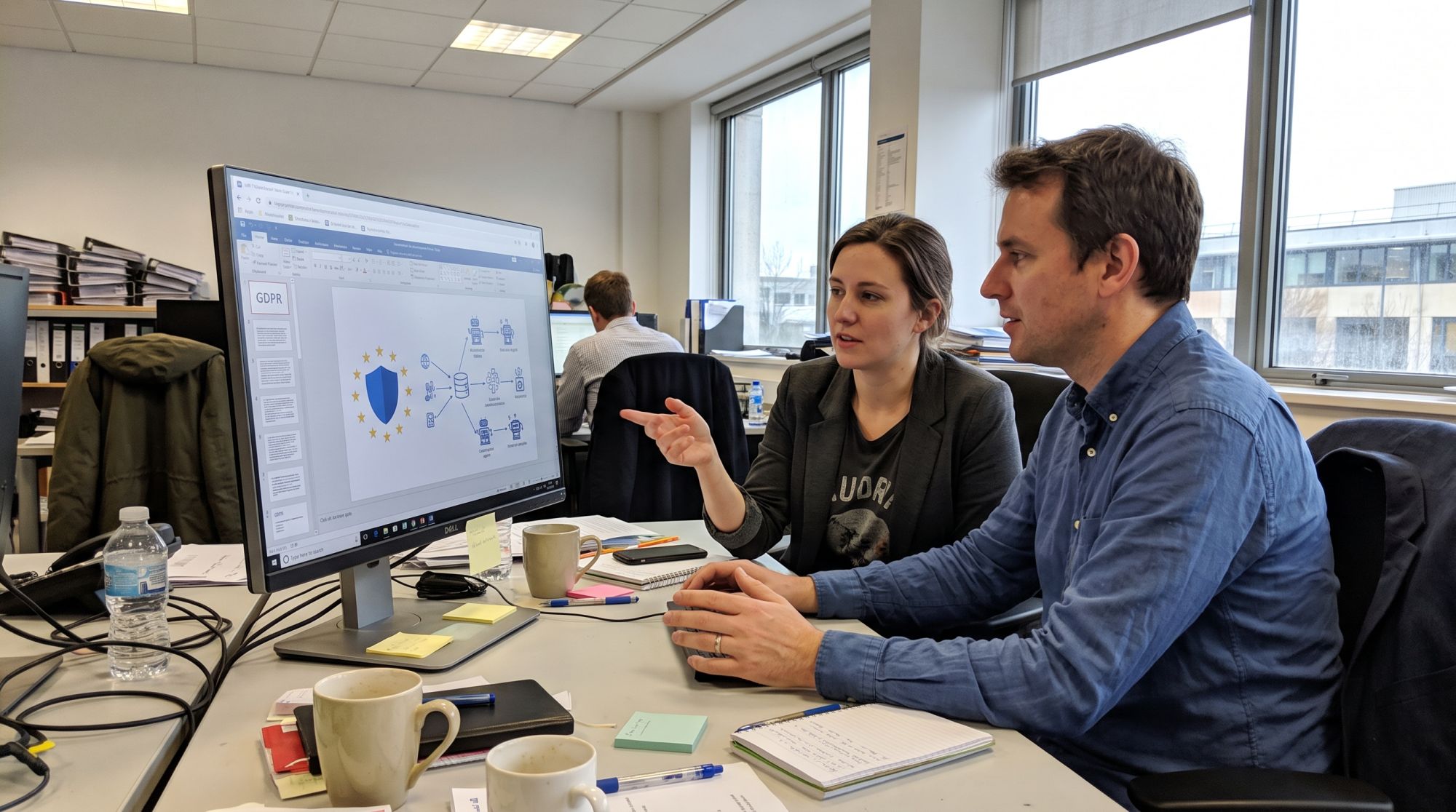
Data protection. Ask where conversations are stored, how long recordings are kept, and how data is exported or deleted under the GDPR.
Someone who improves it. Somebody should read the conversations, fix what can be better and review the results with you regularly.
Getting started
Start with one type of call, get it right, then add more.
Pick the calls that cost you most today: missed calls, calls after hours or booking calls.
Write down what a good answer sounds like: your services, prices, hours, booking rules and when a person should take over.
Test with real calls before customers hear it.
Go live on part of your calls first, for example after hours or when the line is busy.
Read the summaries every week at first, and adjust.
This is what we do at Acastia. We find where a voice agent makes the biggest difference, build it on your information and run it for you. Nothing goes live until you have approved it. See customer service and sales, or hear one for yourself: our demo builds a receptionist from your own website and calls you.
Questions and answers
Is an AI voice agent the same as a phone menu?
No. A phone menu makes callers press keys or say set words. A voice agent understands normal speech, answers questions and gets things done, like booking an appointment.
Can it use our existing phone number?
Yes. Calls can be forwarded to the agent all the time, or only when your team is busy or closed.
What happens when it can’t help?
It passes the call to a person, or takes a message, with a short summary. The caller doesn’t have to start over.
Do callers have to be told they are talking to an AI?
In the EU, yes. Since 2 August 2026, the AI Act (Article 50) requires AI systems that talk with people to be designed so people know they are dealing with an AI, unless that is obvious. In practice, one sentence in the greeting covers it.
What does it cost?
It depends on your calls and what the agent should do. After a free assessment you get one fixed monthly fee: see how our pricing works.