Yes, an AI agent can make phone calls for your business. But in Europe, an AI that calls people who never asked to hear from you is largely off-limits: automated marketing calls need the person’s consent in advance.
The good news is that the calls where AI outbound works best are the ones the rules allow: calling back people who asked to be contacted, following up on their requests, and confirming and reminding.
Below: the EU rules, the rules in Denmark, Germany, France and the Netherlands, and how to set up AI outbound calling that is both effective and allowed. The rules are as they stood on 1 October 2026. This is general information, not legal advice, so check your own case with a lawyer.
What the EU rules say
Under EU rules, an automated marketing call needs the person’s prior consent, a lawful basis for their data, and a clear statement that it is an AI.
Automated marketing calls need consent. The ePrivacy Directive allows “automated calling and communication systems without human intervention” for direct marketing only to people who have given their prior consent (Article 13). An AI agent that dials and holds the conversation on its own very likely counts as such a system.
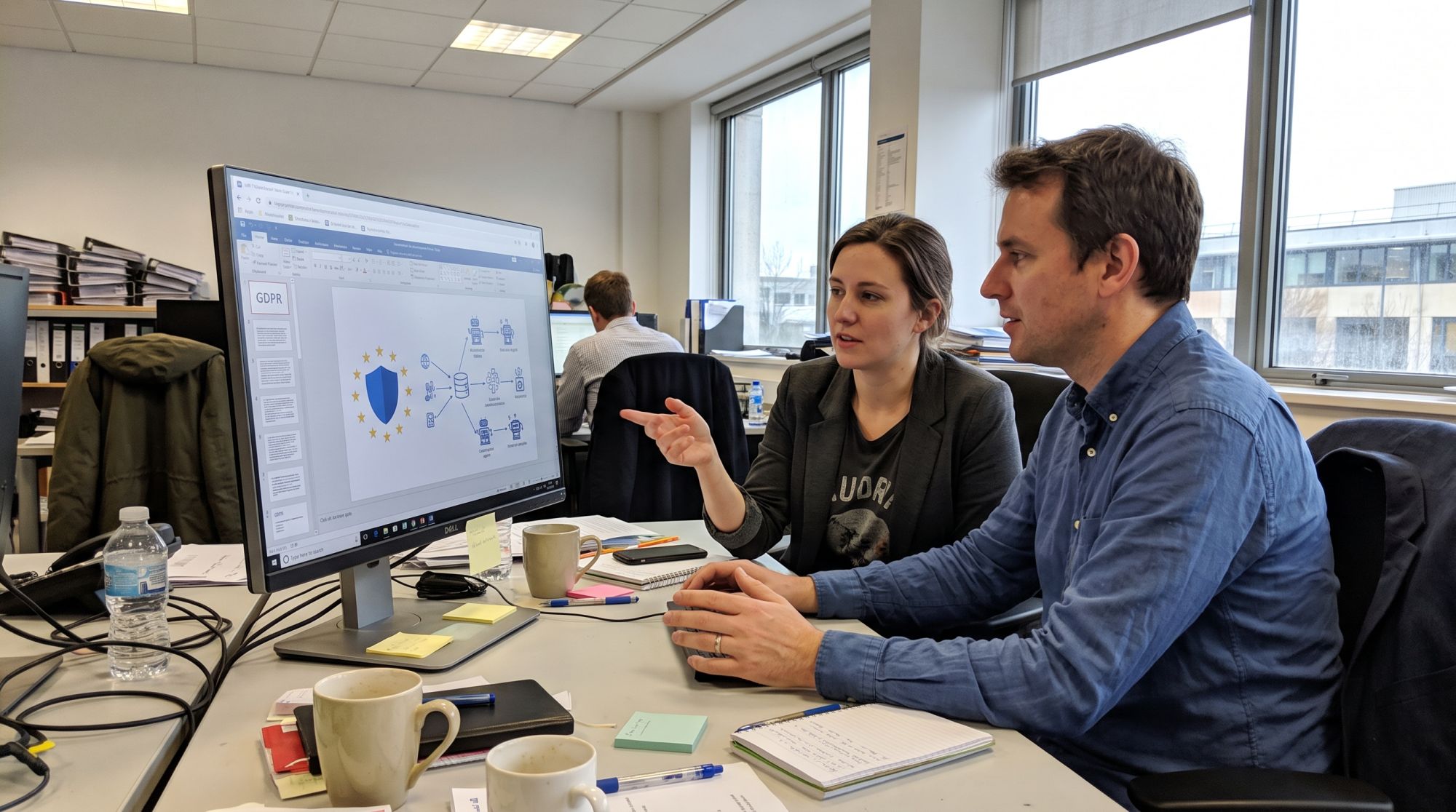
Personal data needs a legal basis. Names, phone numbers and call recordings are personal data under the GDPR. You need a lawful basis for using them, must tell people how you use them, and should keep them no longer than needed.
People must know it is an AI. Since 2 August 2026, the AI Act (Article 50) requires AI systems that talk with people to be designed so people know they are dealing with an AI, unless that is obvious.
The rules differ by country
On top of the EU rules, each country has its own rules for sales calls, and for calls to consumers they are getting stricter.
Denmark
A business may not phone a consumer to sell something unless the consumer asked for the call first. There are a few exceptions, such as newspaper subscriptions and insurance, and none of them covers automated calls (forbrugeraftaleloven § 4).
Contacting anyone, consumer or business, through an automatic calling system for direct marketing requires their prior consent (markedsføringsloven § 10).
A human seller may generally phone companies, but not sole traders who are on the Robinson list or have opted out of marketing.
Germany
Advertising calls to consumers need their prior express consent. Calls to businesses need at least presumed consent: a concrete reason to think the business wants the call (UWG § 7).
Advertising with automated calling machines needs the prior express consent of whoever is called.
A consumer’s consent must be documented, and the proof kept for five years after it was given and after each use (UWG § 7a). Advertising calls may not hide the caller’s number.
France
Since 11 August 2026, sales calls to consumers need their prior consent, except calls about a current contract and offers for newspapers and magazines. The old Bloctel opt-out list is no longer enough (DGCCRF, law no. 2025-594 of 30 June 2025).
Consent lasts at most one year, and the proof must be kept for at least three years.
Calls to consumers are allowed only Monday to Friday, not on public holidays, 10:00–13:00 and 14:00–20:00, at most four times in 30 days, and never from a hidden number.
The Netherlands
Since July 2021, telemarketing calls to consumers, including sole traders, need prior consent (KVK).
Since 1 July 2026, the exception for existing customers has gone too: no consent, no call (ICTRecht).
Automated marketing calls need prior consent from businesses too (Telecommunicatiewet article 11.7).
Other EU countries have their own rules, and many are moving the same way: consent first, especially for consumers and for automated calls.
Where AI outbound calling works
AI outbound calling works best, and stays within the rules, when the person asked for the call or agreed to it.
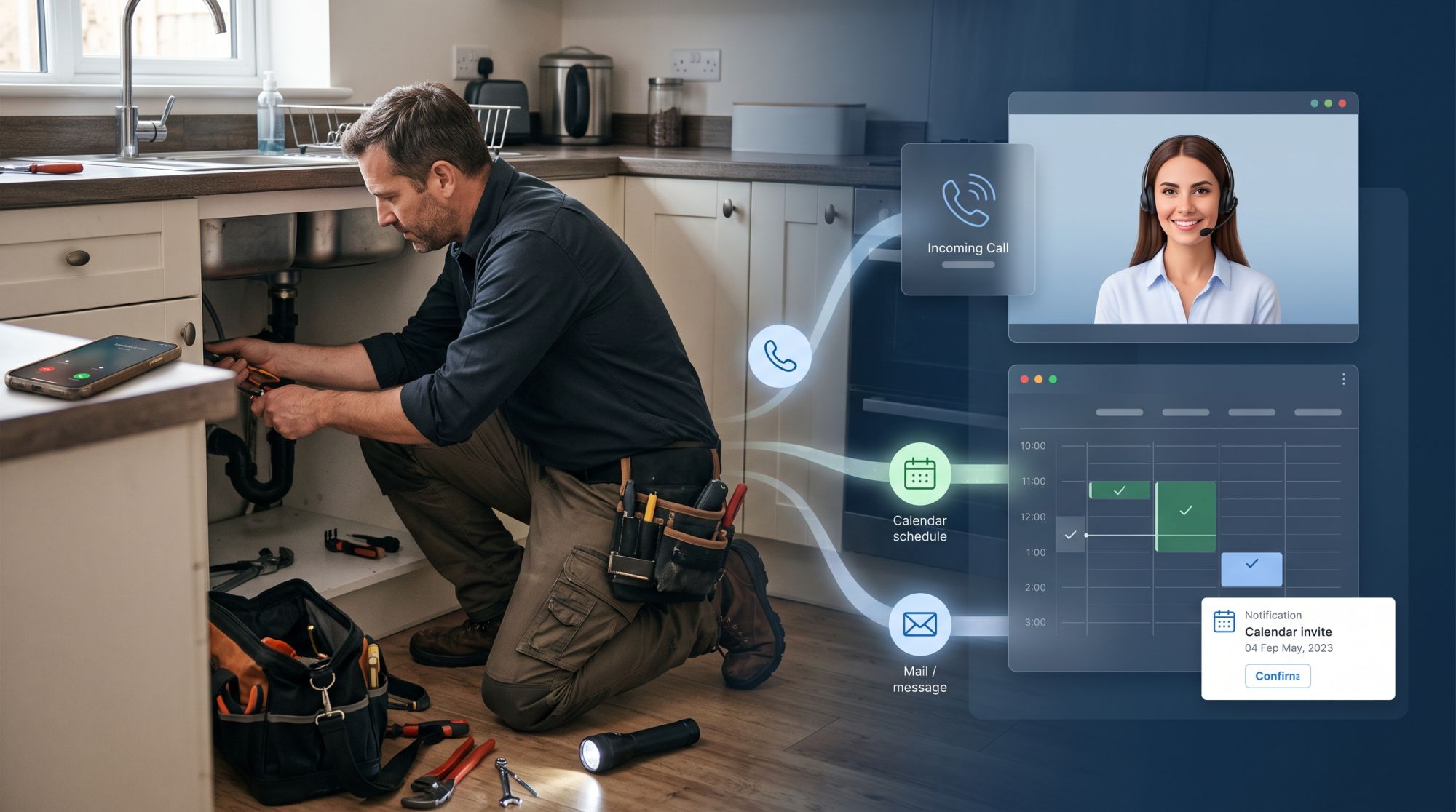
Calling back new enquiries within minutes. Someone fills in a form asking to be contacted, and gives their consent. The agent calls while they are still interested, asks a few questions and books a meeting.
Confirmations and reminders for appointments people booked themselves.
Follow-up on quotes and requests, when the customer agreed to be called about them.
Customers who agreed to hear from you, for example about their yearly service, with that consent on record.
Confirming attendance for events and webinars people signed up for.
Our own demo works this way: the AI receptionist on our website only calls the number a visitor types in and asks it to call.
Where people stay in charge
True cold calling, the first call to someone who has never heard of you, is a job for a person.
In these four countries it is mostly a job between businesses: a cold sales call to a consumer needs their consent, whoever dials. An automated system needs consent for consumers anywhere in the EU, and in Denmark, Germany and the Netherlands for businesses too. And a first impression is worth a human voice anyway.
AI still does most of the work around the call:
researching the company and the right person before the call
preparing the opening and the questions
writing the call notes and updating the CRM
sending the follow-up email and booking the meeting
Your sellers spend their time talking to people, and the AI does the rest.
A set-up that is effective and allowed
Good AI outbound calling is built on consent, and it shows in every call.
Record consent: when, how and for what. Keep the proof: in Germany five years for consumers, in France at least three.
Keep a do-not-call list and check it before every call. Honour a “no” at once.
Say it is an AI at the start of the call.
Show your number. Hidden numbers are not allowed for sales calls in Germany, France and the Netherlands.
Call at reasonable hours, and in France only within the legal windows.
Tell people about recordings and keep them no longer than needed.
Make saying no easy. One sentence in the call should be enough.
How we approach it at Acastia
We start with what is allowed in your markets, before we build anything.
In the free assessment we look at who you want to call, on what basis and in which countries. We build the agent with consent checks, a do-not-call list and a clear introduction, and you approve the script before it calls anyone. We are not lawyers: where your case needs legal advice, we say so.
See customer service and sales, or read what an AI voice agent is.
Questions and answers
Is AI cold calling legal in Europe?
Automated marketing calls to people who haven’t given their prior consent are not allowed under EU rules. Calls people asked for, and reminders about their own appointments, are a different matter.
Can an AI agent call businesses instead of consumers?
It depends on the country. In Denmark, Germany and the Netherlands, automated marketing calls need prior consent from businesses too. Check the rules in each market you call.
Do I have to say it is an AI?
In the EU, yes. Since 2 August 2026, the AI Act requires it, unless it is obvious.
Can I call my existing customers?
With an AI agent, only with their prior consent: the EU’s exception for existing customers covers email, not automated calls. For calls by a person, the rules differ: the Netherlands ended its existing-customer exception on 1 July 2026, and German consumers must have given express consent.
Is a reminder call marketing?
Generally not: a reminder about an appointment the customer booked serves that appointment. Add a sales offer to the call, and it becomes marketing.
Sources
Oversigt over reglerne for telefonsalg, Forbrugerombudsmanden
Werbung mittels Telefon, Telefax, E-Mail, SMS oder Brief, IHK Rheinhessen
Telefonwerbung, IHK Ulm
Démarchage téléphonique : professionnels, mettez-vous en conformité, DGCCRF
End of the soft opt-in: telemarketing from 1 July 2026 only with consent, ICTRecht
Telecommunicatiewet, artikel 11.7, privacy-web.nl